Monkey Island and Embera Village: Is the Combo Worth It
See prices From 115 EUR · Free cancellation available
Contents
The Monkey Island and Embera Village tour is the only combo in the current lineup that trades scenery for a genuine cultural visit, pairing a canoe ride up the Chagres River to an indigenous community with the standard Monkey Island boat stop. I have gone through what the village portion actually involves, and my honest take is that it earns its place in the lineup, but only for travelers who have a full day to spare.
The short version: this is a 6.5-hour day, the longest Monkey Island combo running, and it includes a real community visit rather than a staged photo-op stop. Whether that is worth the extra time and the separate cash tax depends entirely on how much a cultural encounter matters to you alongside the wildlife.
What does the Embera village portion actually involve?
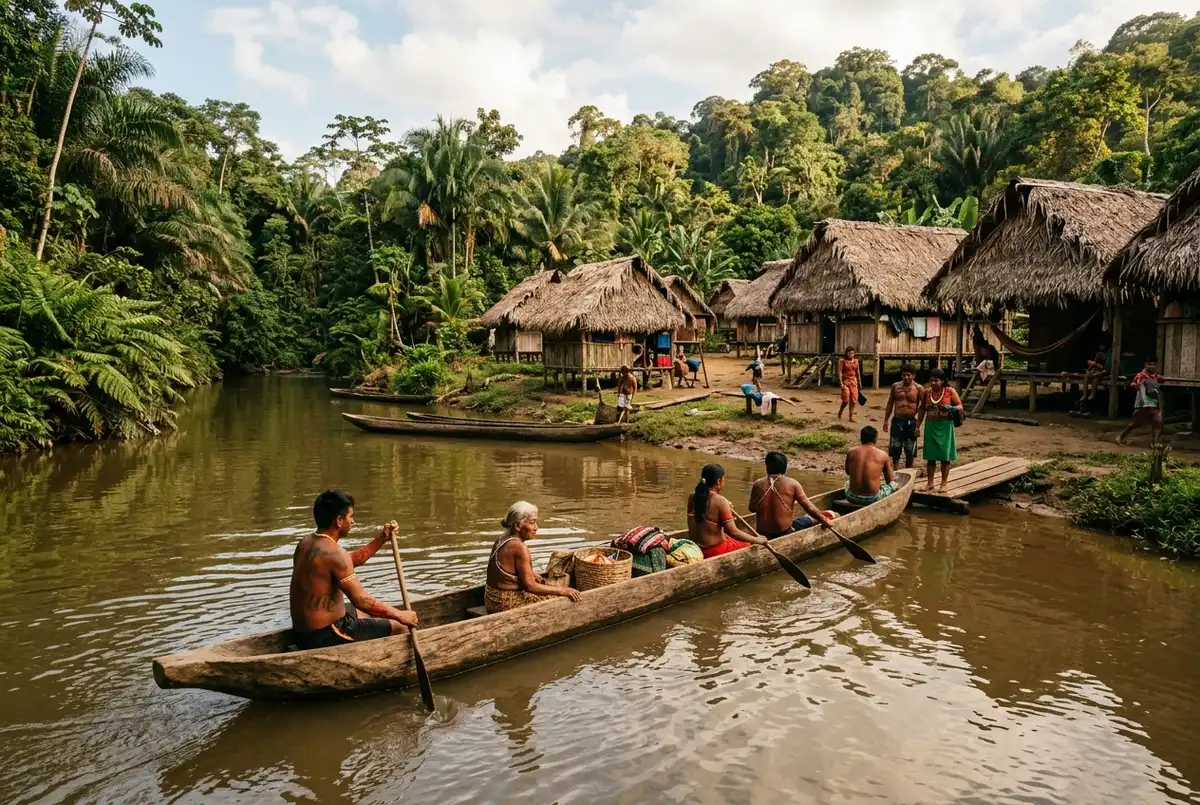
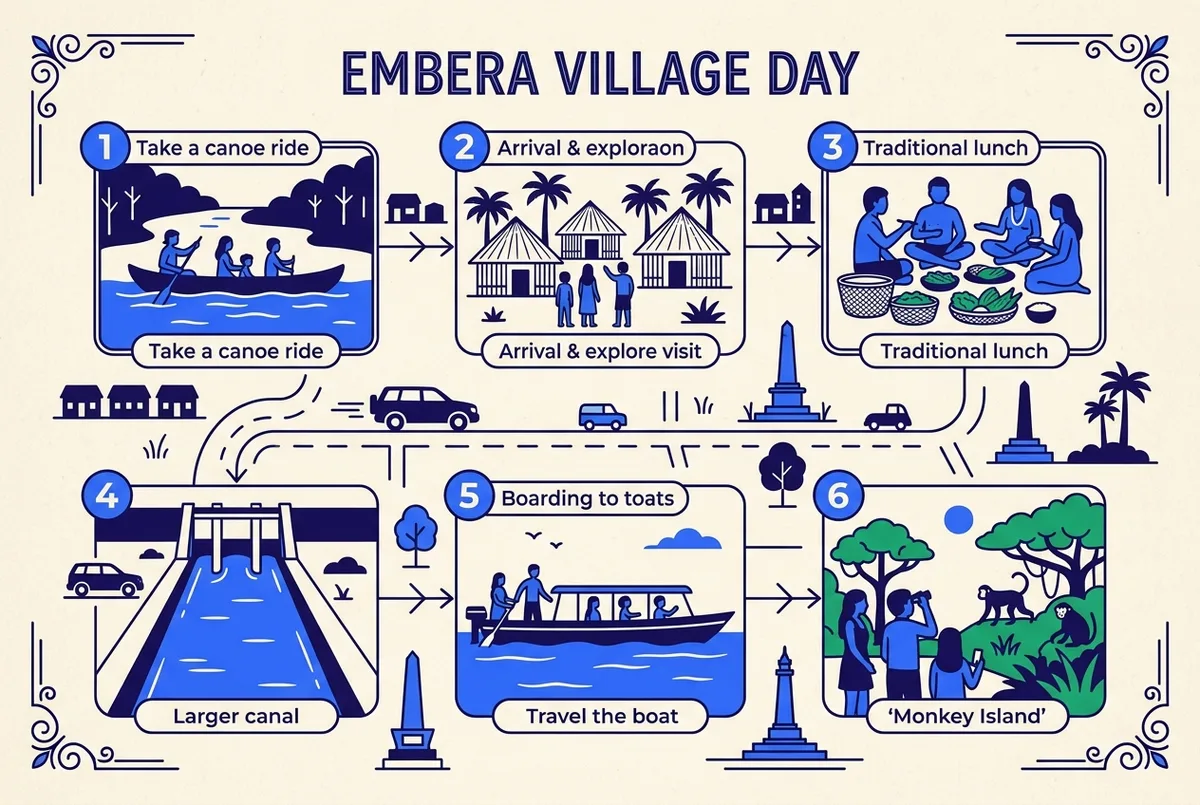
After pickup, your guide collects a $35 per person entry tax in cash for the village and Chagres National Park, so budget that separately from what you pay online. The group travels to Chagres National Park and switches to a traditional dugout canoe for the river journey to the village, where a community leader introduces Emberá culture and daily life before a live music and dance performance. You can then walk the village, buy handcrafts directly from the artisans, and eat a traditional lunch of fried fish, plantains and seasonal fruit.
Check prices & dates
Ready to visit?
Book your tickets in advance: popular time slots sell out.
Is the $35 entry tax really not included in the tour price?
Correct, and I would plan for this in advance rather than being surprised at pickup. The tax covers entry to both the Embera village and Chagres National Park, and it is paid in cash directly to your guide on the day, separate from the €115 per person you pay when booking online. Bring small bills, since this is not a card transaction, and keep a bit extra on hand if you want to buy any of the handcrafts sold by village artisans.
Does this combo still include the Monkey Island wildlife stop?
Yes, and I would not assume the cultural focus means the wildlife gets shortchanged. After the village visit, a roughly 45-minute drive brings the group back down to the Panama Canal, where you board a boat on the Chagres River bound for Gatun Lake. The boat shares the water with large ships transiting the canal before reaching the islands where three monkey species live, with birds, turtles or crocodiles sometimes joining the sighting.
Is the Embera village combo worth the extra length and cost?
Yes, if a genuine cultural encounter matters to you as much as the wildlife, since this is the only Monkey Island tour that includes a real indigenous community visit rather than just another nature stop. It suits travelers with a full day to spare who want depth over speed. I would call it a weaker fit if you are short on time or specifically want a fast, focused wildlife trip, since the village portion roughly doubles the length of the standard boat tour and the price sits well above the boat-only options.
What’s included and what isn’t on this combo?
Included: pickup and drop-off from hotels or accommodations in downtown Panama City, bottled water, and a traditional lunch of fried fish, plantains and seasonal fruit. Not included: the $35 per person entry tax, personal expenses or souvenir shopping, and a $30 per group surcharge for pickup from Playa Bonita or the airport area. I would read that pickup surcharge carefully if your hotel sits outside the downtown zone, since it is charged per group rather than per person.
Who should skip this combo and book a different one?
Anyone short on time, anyone with a tight budget, and anyone who specifically wants to maximize wildlife viewing over cultural content. For a cheaper, faster option that keeps the focus purely on wildlife, the jungle eco-hike combo covers a boat safari and a trail walk for a fraction of the price and time. If adrenaline is what you are after instead of culture, the Gamboa zipline combo is the better match. For the complete picture of how all four combos compare, the Monkey Island combo tours overview lays out the sloth sanctuary option as well.
Is this tour suitable for everyone in a group?
No, not for travelers with mobility impairments or wheelchair users, since it involves a canoe ride and walking through the village on uneven ground. I would not book this one if anyone in your group has significant mobility limitations, and I would look instead at a boat-only Monkey Island tour, which still is not fully wheelchair adapted but at least skips the canoe and village walking entirely.
What should I pack for the Embera village and Monkey Island day?
Comfortable shoes and clothes matter more here than on the pure boat tours, since you will be walking around the village and boarding a canoe as well as the Monkey Island boat. Cash is essential, both for the entry tax and any handcraft purchases, since card payment is not realistic in the village setting. Large bags, baby strollers and smoking are not permitted on this particular route, so I would leave anything bulky back at the hotel.
Can I buy souvenirs directly from the Embera artisans?
Yes, and I would set aside cash specifically for this, separate from the entry tax. Handmade crafts, woven baskets, carved figures and jewelry, are sold directly by the artisans who made them, so purchases here go straight to the community rather than through a middleman. Card payment is not practical in this setting, so plan your cash accordingly before you leave the hotel that morning.
How does the canoe ride itself compare to the later boat crossing?
Quite differently, and I would frame it that way before you go so neither feels like a letdown. The canoe up the Chagres River to the village is slow, intimate and close to the water, giving you a real sense of the rainforest from just above the surface. The later boat to Monkey Island is a larger, faster vessel built for covering the open water of Gatun Lake, sharing the channel with much bigger cargo ships. I would not expect the same pace or scale from both legs, since they are built for different parts of the day.
Does getting to Gamboa or Panama City affect this tour’s logistics?
Not really, since pickup and the eventual boat launch follow the same general route as the other combos, just with the village detour added before the Monkey Island portion. How the Gamboa area connects to every Monkey Island tour is worth reading if you want the broader transport picture, since this combo’s canal crossing happens at the same general stretch the other tours use, just reached from a different direction.
My honest recommendation after mapping out the whole itinerary is to book this one specifically for the Embera visit, not as a shortcut to see Monkey Island cheaply, since several other tours do the wildlife portion faster and for less money. If the cultural visit is the draw, the extra time and the cash tax are a fair trade for something none of the other combos offer.
FAQ
How much is the Embera village entry tax?
The entry tax for the Embera village and Chagres National Park is $35 total per person, paid in cash directly to the guide on the day, separate from the online booking price.
Is lunch included on the Embera village and Monkey Island tour?
Yes, a traditional lunch of fried fish, fried plantains and seasonal fruit is included in the tour price.
How long is the Monkey Island and Embera Village combo?
About 6.5 hours, making it the longest Monkey Island tour currently offered from Panama City.
Do I still see wild monkeys on this tour?
Yes, after the village visit the group drives to the Panama Canal and boards a boat to Monkey Island, where three species of wild monkeys live.
Is this tour suitable for wheelchair users?
No, it is not suitable for people with mobility impairments or wheelchair users, since it involves a canoe ride and walking through the village.
Is the Embera village visit staged for tourists?
It is a real, inhabited community that welcomes visitors as part of its income, not a recreated exhibit. The welcome, performance and lunch are genuine cultural practices shared with guests rather than a theatrical reenactment.